The danger created by a king and his horses
This Diomedes is the king of the Bistonians in Thrace, rather than the Argive hero of the same name in the Trojan War. The Bibliotheca calls him a son of Ares and Cyrene, and gives him man-eating mares. Heracles crosses the sea with willing companions, defeats the men guarding the stables, and drives the horses to the shore. The adventure is not a lone intrusion into an empty den, but an action against a king with troops, keepers, and territorial authority. The mares’ unusual feeding turns animals commonly associated with domestication, transport, and wealth into threats, giving ordinary stables an unsettling significance.
Abderus is left to guard them
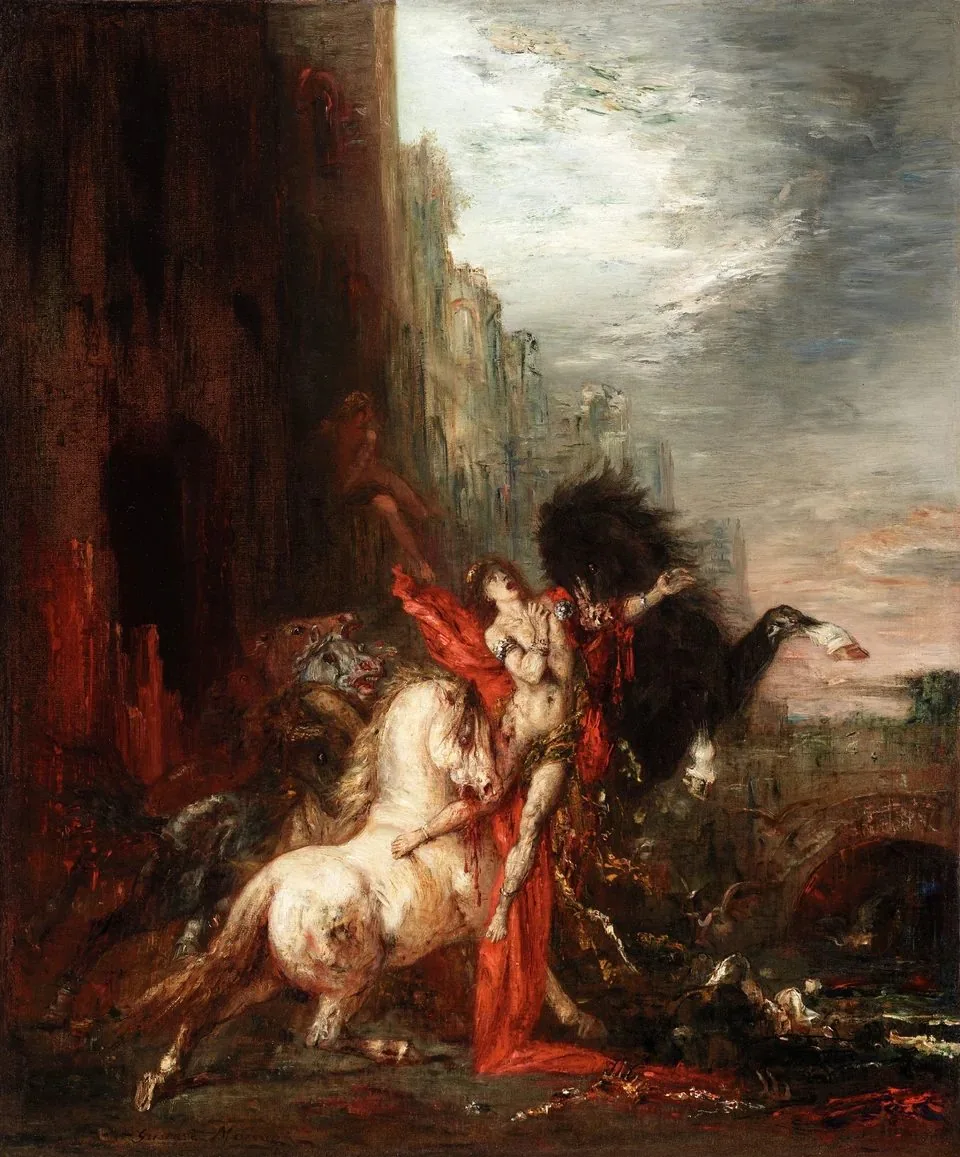
When the Bistonians come to recover the mares, Heracles leaves them with Abderus and confronts the king himself. The horses drag his companion to his death. After winning, the hero founds Abdera beside Abderus’ tomb, then brings the mares to Eurystheus. Diodorus’ version emphasizes Heracles feeding Diomedes to his own horses to tame them. These accounts can be compared, but a feeding episode absent from one author must not be forced into that version; nor should a friend’s death be erased to preserve a satisfying reversal. One account emphasizes the expedition’s loss and commemoration, while the other has a cruel owner suffer the consequences of his own feeding system.
The city’s name outlasts the trophies
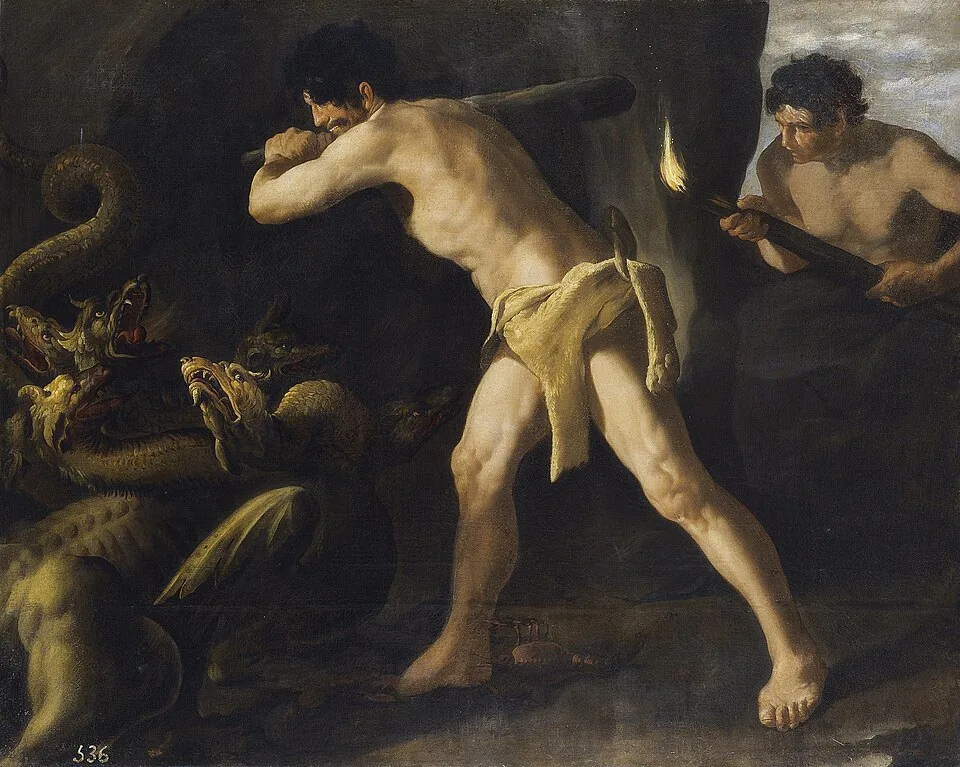
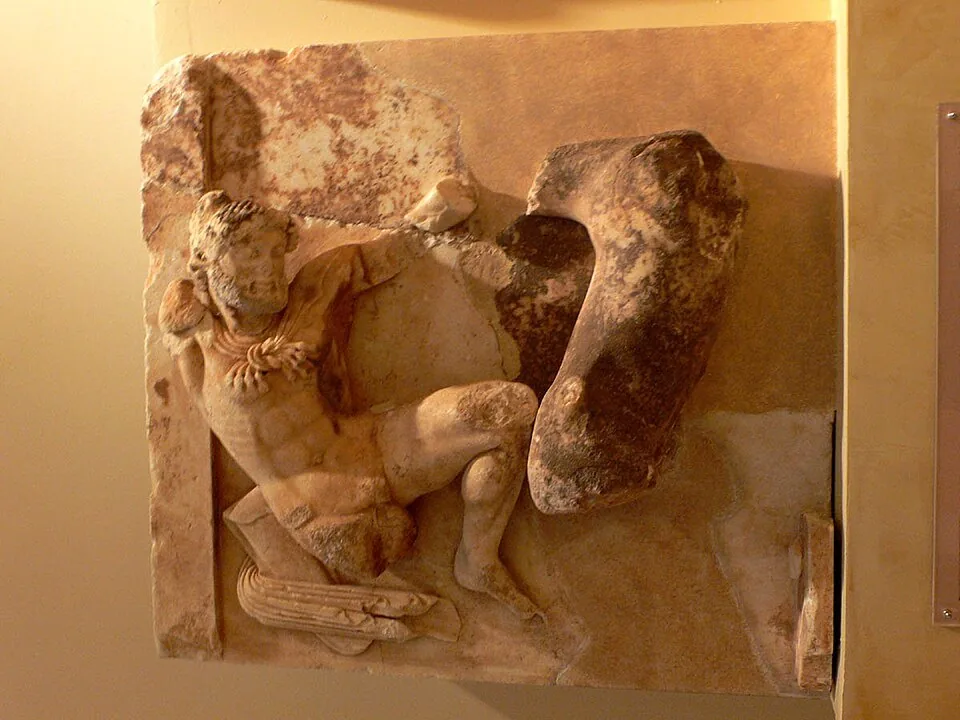
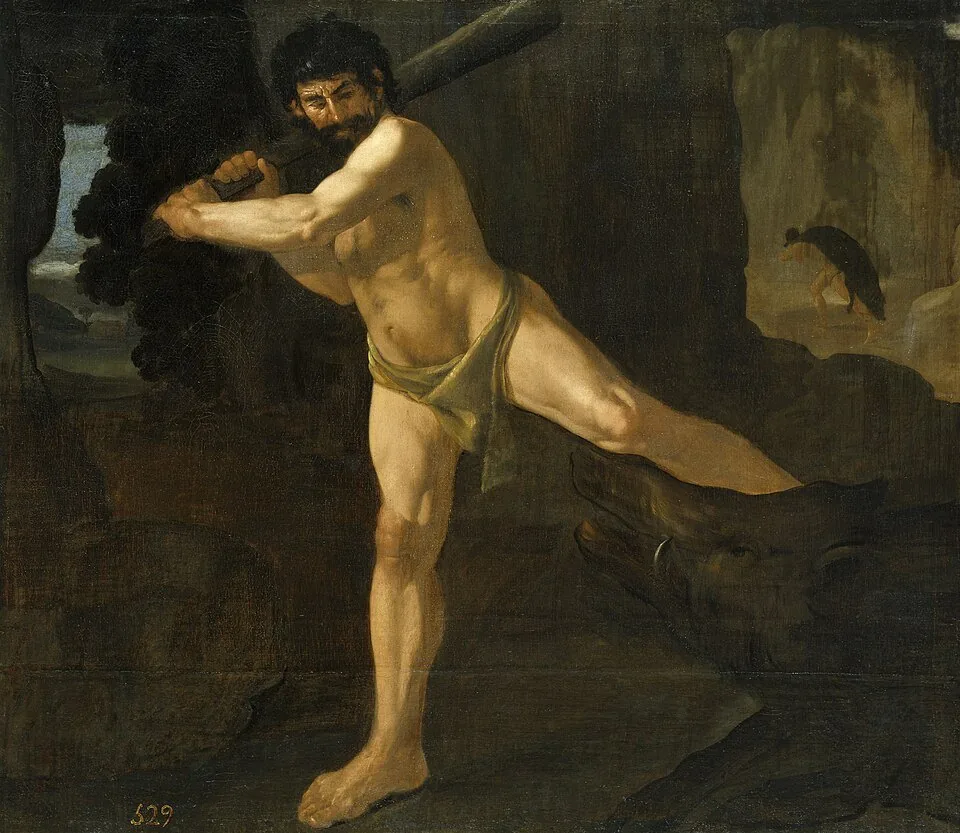
In the Bibliotheca, Eurystheus releases the mares, which are later killed by wild beasts. Diodorus gives a different account of the horses’ later line of descent. Whichever text is followed, images and narration should identify the chosen version. The story of Abdera’s foundation leaves traces of the journey in a tomb and place-name, as well as in the hero’s achievements. Artists often emphasize the dramatic moment when horses attack the king. This can match a particular tradition without replacing every character’s experience. Besides the power of hero and horses, ask who was assigned to guard the danger, and whose sacrifice became a city’s beginning. This restores a companion whom heroic trophies can easily obscure.