Toward the edge of Oceanus
Eurystheus orders Heracles to bring back Geryon’s cattle. The Bibliotheca places this opponent, whose three bodies are joined, on Erytheia, where the herdsman Eurytion and two-headed dog Orthrus guard the herd. Traveling west beneath the blazing sun, Heracles aims his bow at it. Helios admires his boldness and lends him a golden cup to cross Oceanus. A vessel belonging to the sun becomes a means of transport, allowing a boundary usually closed to mortals to be crossed. These unusual places belong to mythological space, rather than a modern travel route that can be reconstructed completely without explanation.
Taking the cattle does not secure a straight journey home
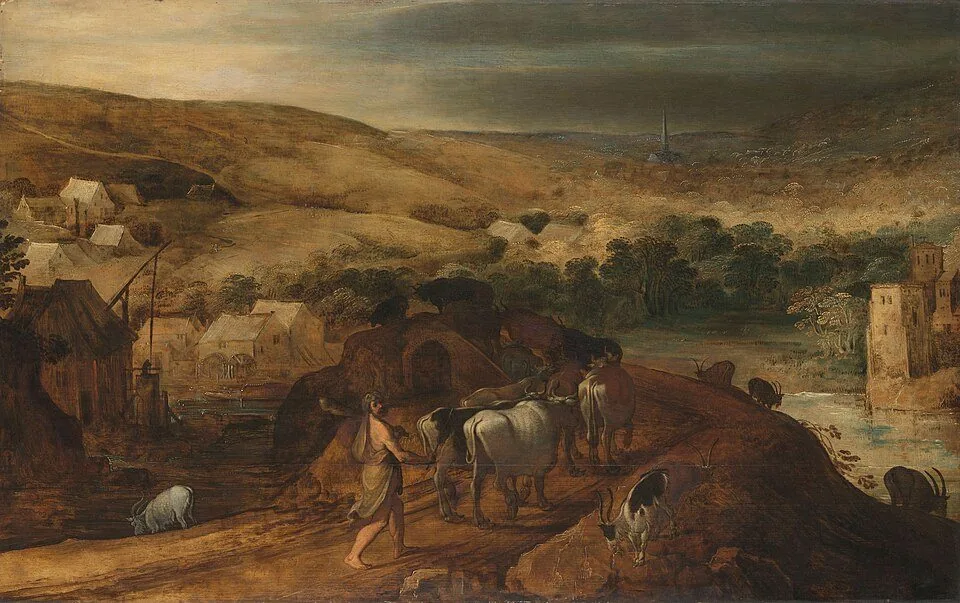
Heracles defeats the guardians and Geryon and takes the cattle, but the animals generate more local stories on the return. The Bibliotheca takes him through Italy and Sicily and has Hera’s gadfly scatter the herd, forcing him to seek the strays. The homeward journey is thus more complicated than a duel: its goal is to keep living creatures moving together, rather than carry an immobile object. Diodorus also develops explanations of roads, regions, and heroic acts during the western expedition. They reflect his organization of geographical knowledge and need not match every stage in the Bibliotheca. Keeping the accounts distinct preserves the growing layers of the journey tradition.
A herd connects many places
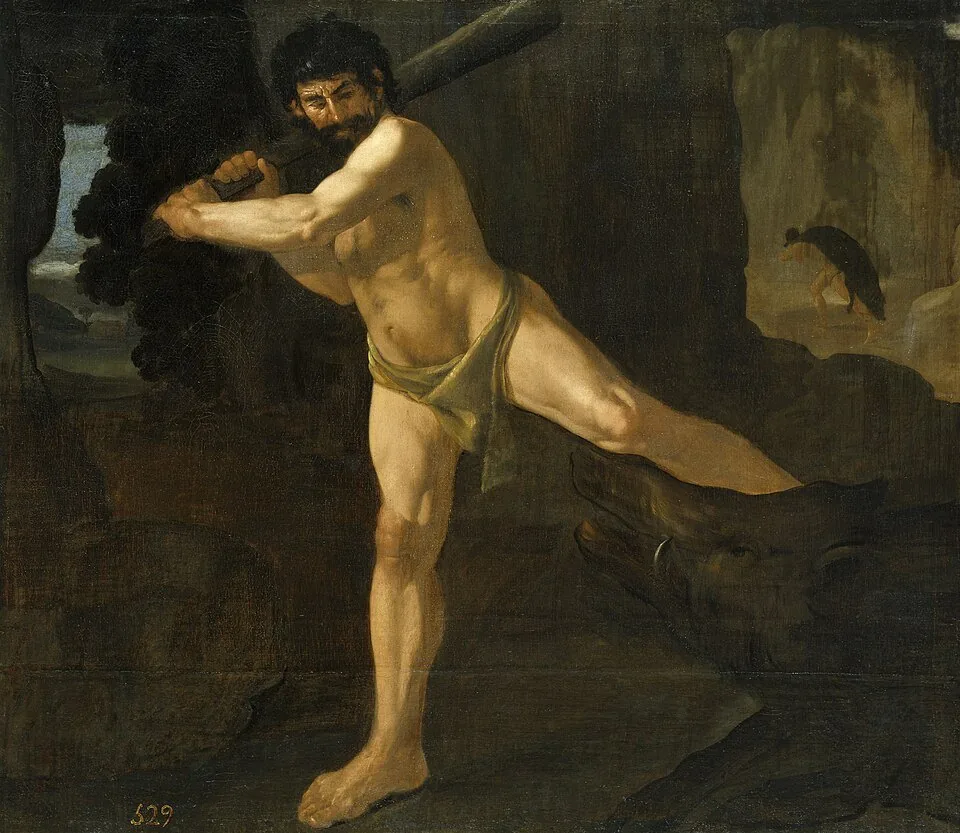
The cattle finally delivered to Eurystheus are sacrificed to Hera, completing the task, but the battles, place-names, and explanations of constructions along the route remain. Ancient vase paintings often emphasize the hero, a three-bodied opponent, and the guardian dog. Later painters may make Geryon resemble an ordinary giant. This is a choice of visual tradition, not grounds to rewrite the three-bodied description because a painting shows one body. The herd’s travels give the hero’s story room to expand: each place can introduce fresh obstacles and memories. We can appreciate the imagination that reaches the world’s edge while recognizing that the expedition seizes someone else’s wealth. Calling the whole mission a rescue of local people would overlook its important difference from killing a lion that threatens villages.