Beginning with a princess’ wish
Admete, Eurystheus’ daughter, wants the belt of Hippolyta, queen of the Amazons, so Heracles and his companions sail to the region of the River Thermodon. The Bibliotheca explains that Ares gave the belt as a sign of her preeminent status. It is no easily replaceable accessory: it is connected with authority and the right to rule. Greek authors’ descriptions of Amazon society contain their own imaginings and ideas about gender, rather than providing straightforward factual ethnography. Distinguishing the trophy’s political meaning from ancient assumptions about women in foreign lands avoids accepting unfamiliar images as unexamined historical facts.
A gift interrupted by rumor
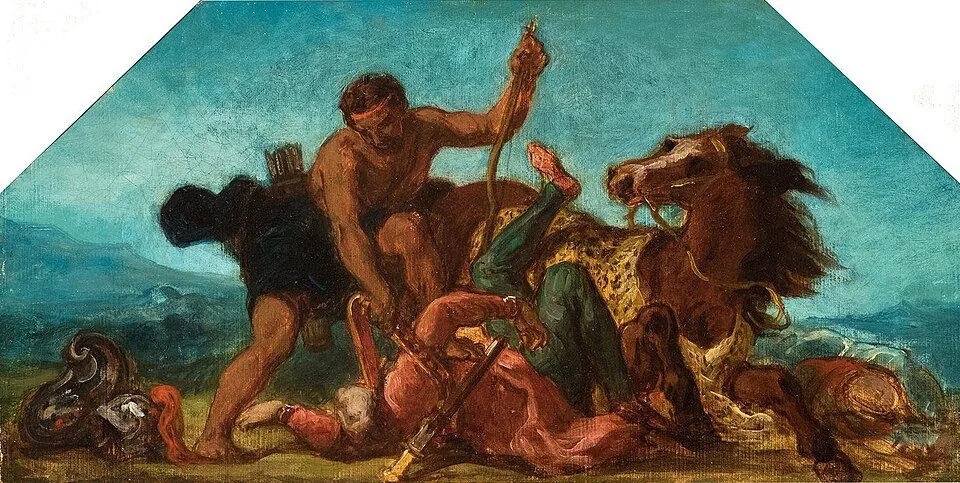
When Heracles arrives, Hippolyta hears his purpose and offers him the belt. Hera, however, takes the form of an Amazon and tells the crowd that the strangers intend to abduct their queen. The warriors ride toward the ship, and Heracles, believing the queen has plotted against him, kills her and takes the belt. The reversal happens through interpreting others’ actions: one side hurries to protect the queen because of a rumor, while the other reads a sudden gathering as betrayal. Simply saying that he defeats a warrior who refuses to surrender a treasure would alter the Bibliotheca’s explanation of the conflict and erase the possibility of completing the task peacefully.
Distinguishing the Amazon expeditions
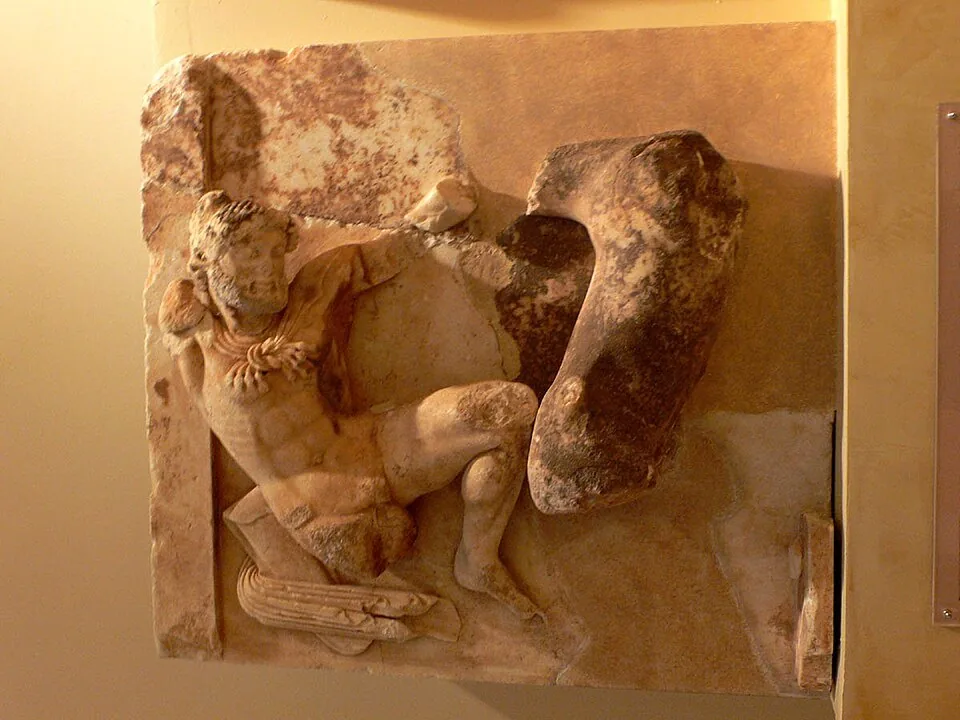
Diodorus also describes a battle with the Amazons, but his emphasis differs from the account of interrupted negotiations. Other stories connect Theseus, Antiope, and an Amazon attack on Athens. Similar characters and places do not make them the same event. Vase paintings and reliefs of the belt episode often retain only the fighting bodies and need not represent the preceding offer. Restoring that step through the text makes the pictured violence a matter of misjudgment, divine interference, and broken trust, as well as strength. Hippolyta’s cost is particularly concrete in this version: her willingness to cooperate does not protect her, but is forgotten amid mutual suspicion.